Talking about mental health is becoming more mainstream and I’m all here for it. There are no end of initiatives in vet practices now to improve vet and RVN wellbeing and mental health. Yet despite all this, where you probably wouldn’t hesitate to take a day off if you were stuck in bed with the flu, or stuck by the toilet with food poisoning, it’s a different story when we are suffering from poor mental health.
Many of us would be a lot more hesitant asking for a sick day if we’re not feeling it mentally. I’d argue that most people in my practice would not take a day off if they were struggling with their mental health. When I’ve talked to colleagues, they all answer that either they didn’t know they could take a day off for poor mental health or that they wouldn’t feel comfortable asking for one or feel they would be judged for doing so.
My interest piqued and fire stoked, I polled my instagram followers for a day. Frankly, I was unsurprised by the results:
66% said they had taken a day off for poor mental health, however 76% went on to say they would not feel comfortable asking their boss for a mental health sick day. 78% answered they thought they would feel judged for taking a mental health day, compared to the 22% who felt they’d be supported doing so.
When talking about awareness, a huge 41% of respondents said they didn’t know that they could take a day off for mental health illness.
The idea that you’ll be judged for asking for a mental health sick day is a prominent one and often a prohibiting one.
So although 66% said they’d taken a day off, where does the disparity of 76% being uncomfortable asking for one come from? I did have a few private messages from vets saying that they’d taken days off for mental health reasons but had reported physical illness to their boss instead. Thereby getting a day off for their mental health, without actually asking for one.
Why is it more difficult to ask for mental health sick days?
Unlike a physical illness, there are often no external symptoms of mental health so people find it hard to be able to ‘prove it’ to (themselves and) their employers. And although some physical symptoms might occur with illnesses like depression for example, like tiredness, sleep problems, achiness, digestive problems or headaches. When not linked to a mental illness, and with some painkillers you would normally probably just power through and show up to work.
Another reason for not asking is that, unless you feel bad enough to get a doctor’s note, if you’re just wanting one or two days off – we have to self validate our mental health. Do I feel bad ‘enough’? Am I just being pathetic? Am I actually struggling enough to warrant a day off? Am I being selfish?
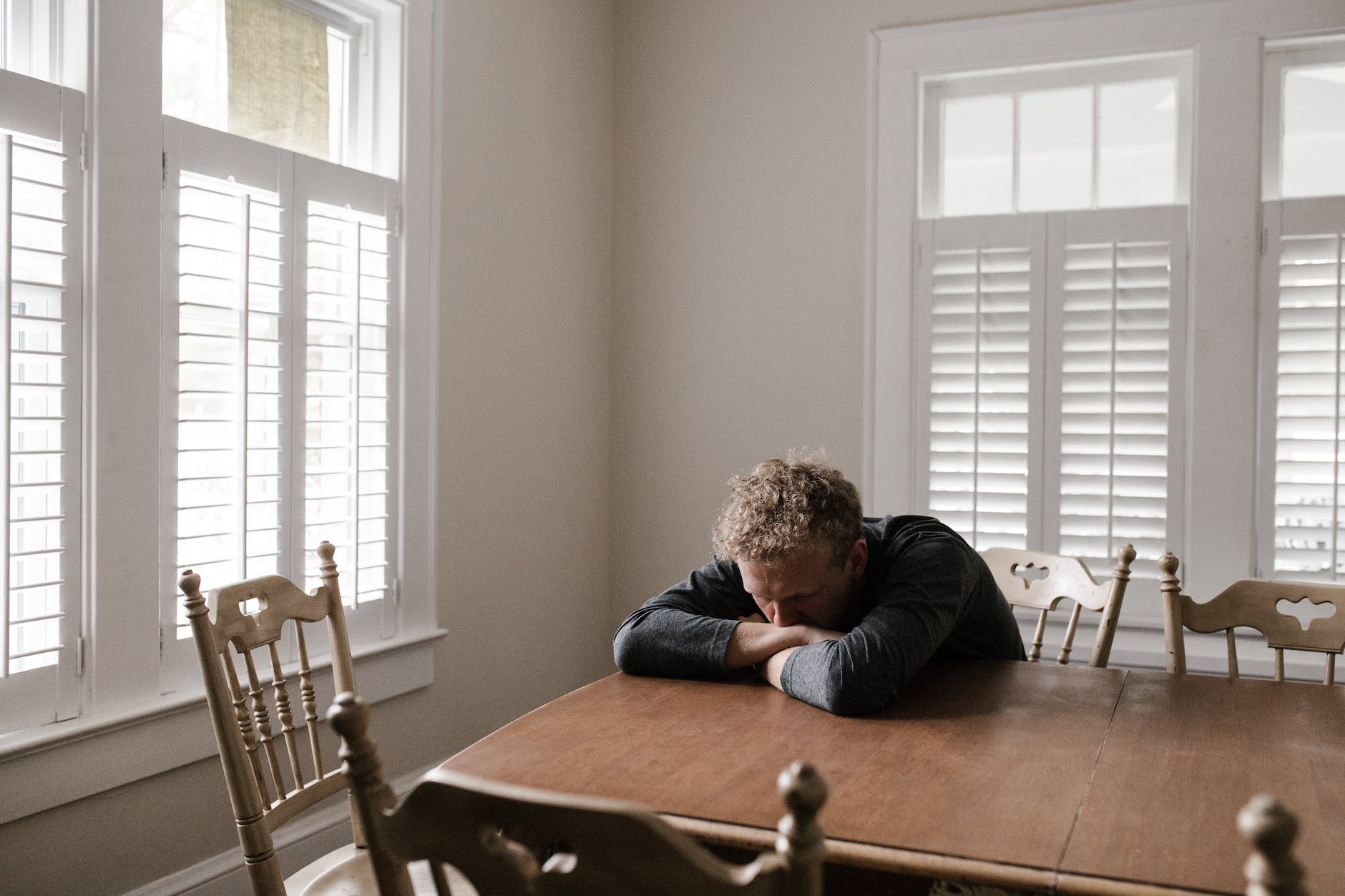
Finally, it’s the feeling of not letting the team down. Are they going to resent you for taking the day off and leaving them in the lurch? The idea that you’ll be judged for asking for a mental health sick day is a prominent one and often a prohibiting one. The trouble is is that we’ll always err on the side of negative bias and assume everyone’s worst opinions of us. When in fact, your team probably want you to get the rest you need and get better as soon as possible.
Moreover, if you are being actively judged or stigmatised for taking mental health sick days, maybe this is the not the sort of team you should be working for in the longterm.
What are our rights?
In an interview, Rebecca Thornley-Gibson, partner at law firm DMH Stallard, said, “Employees who are not able to work as a result of their poor mental health are entitled to the statutory sick pay benefits. In addition, they are entitled to protection from discrimination if the mental health condition is a disability, on the same basis as an employee with a physical illness”.
Essentially you have every right to take a day off for mental ill-health as much as physical ill-health. It can be good to have this written in your contract for back up, but even if you’d don’t, know that it is an employment right.
How can I ask for a sick day due to poor mental health?
This is the crux of it isn’t it. What do you say? The main thing to remember is that can self-certify for any sick days you take up to 7 days. After that time period, your employer will request a sick note from your doctor stating why you’re unfit to return and how long they expect you to need to recover.
As is with everything, if you haven’t asked before there is no way of knowing how your boss will react. But that said, people never usually react to anything as badly as you’ve made out in your head prior.
If you’re going to email in, here are a few scripts you could use. Alternatively, if you’d generally phone your boss to notify them you’re taking a sick day, have this in front of you so can use it as a guideline when talking.
Dear __
I want to communicate that I have been struggling with my mental health. Because of this, I plan to take the next 2 days off work to focus on resting and getting back to full health.
Mental health is a priority and this break will allow me to return to work even better than before.
Thank you for understanding,
____
You may however want to disclose as little information as possible which is also absolutely fine:
Hi ____
I’m just letting you know that I plan to take today off as a sick day due to a personal matter.
Thanks for understanding,
____
Remember that however much or little you choose to disclose to your employer, you deserve sick days for mental health just as much as physical health. One is not more important than the other and therefore should not give cause for your employer to approve one rather than the other.
However, if you you’re still working up to feeling comfortable talking about your mental health – there is nothing wrong with just saying you have a migraine!
Creating a safe environment in practice

So how do we change up those stats and create more workplaces where people feel validated and supporting in taking off days when their mental health is suffering?
I think it starts from leaders. Sure, we can talk about improving mental health in practice all we like, but unless my boss has made it clear that they would absolutely support anyone taking a mental health sick day, I don’t think I’d be totally comfortable doing so.
This can look like a small reminder in a staff meeting that it is in your rights to do so, or in your 1-to-1 check ins when your boss should be asking how you’re really doing anyway.
The bottom line
It was really concerning to me when I saw the results coming in from my instagram poll, that we’ve got so much further to go with mental health. Yes sure, people are getting better at talking about it, or posting catchy infographics about it on LinkedIn and sharing motivating self-care posts on Instagram. But if this isn’t filtering down to the real-world people on the veterinary frontline, what good is it doing?
I really urge you to be strong, know that you know yourself best and to recognise when you’re struggling. And that when you’re struggling mentally, you know that you won’t show up to work and be your best, and that is absolutely enough to take a take mental health sick day.
Not only that but making people aware that they can do this in the first place also seems to be a hurdle that hopefully this blog will make a small step towards crushing.
 ThisVetCan