No one likes being called a snowflake anymore than the next person. The new generation of veterinary new grads seem to be coming under a lot of flack for wanting to work more sociable hours and creating better boundaries. But on the flip side, the industrious older generation are also being tagged as ‘workaholics’ with no work-life balance.
Is there a way we can make through this together?
Creating a huge shift in how the veterinary industry functions is one of best things to come out of millennials in practice with Gen X and baby boomers!
Just because ‘it’s how we’ve always done it’, does not mean it’s the best way that works for everyone. If we applied this to our clinical cases, we’d still be in the dark ages in veterinary medicine!
Who’s who in the generation game?
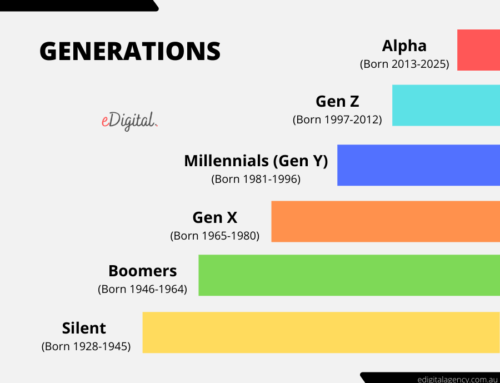
Although a very large proportion of the workforce is from Gen X and the baby boomers, there is obviously a growing number of millennials and Gen Z’s coming through into the veterinary space now.
Gen X and baby boomers are traditionally hard workers who stay loyal to companies for long periods of their career. Typically they lack work-life balance although may have been more supported at home by stay-at-home partners unlike current millennial or Gen Z’ers.
The millennial and Gen Z workforce are still highly motivated employees although value their free time and aren’t willing to sacrifice relationships or wellbeing for their work. Gen Z especially, are even more technologically advanced than all the other generations. They try to work smarter, not harder.
By 2025, millennials are due to make up 75% of the US veterinary workforce.
Is it the clash of the titans?
Both the older and younger generations can learn a lot from each other but sometimes this doesn’t happen in practice. You certainly hear of older vets complaining that younger vets are ‘copping out’ of out of hours, or not putting in the hours they did ‘back in the day’.
Not only does this create the culture where younger vets are feeling under-supported and under-valued but also makes them feel guilty for making career decisions (like cutting out OOH, or wanting a 4-day week) for mental health reasons or burnout.
Whatever your career path and choices, everyone is unique and you should only do what makes you happy.
Conversely, are the younger generations making things too techy and complicated? Online booking systems and emailed invoices might be too much for some long-standing older clients, and the older vets will recognise this sooner.
Mentorship between these older and newer generations can help bridge the gap with learning going both ways. There is a huge amount we can learn from older vets’ years of experience, and they can learn from the new grads too.
The workplace gender shift
The baby boomers and Gen X had a much higher proportion of men graduating from vet school. In the 1960s in the UK, women accounted for less than 5% of the profession still. Whereas now almost 80% of vet school students are female and women make up 60% of the whole workforce.
Does this matter?
Well, maybe. If millennials and the Gen Z veterinary community have a female majority, the push for flexibility with maternity leave and for childcare might be a new concept for the boomers, and likely here to stay. Adaption and creation of flexible and part-time work schedules can only be a good change in my opinion but older male practice partners might need some persuading or negotiation in order to implement this.
Who does more work?
This is an interesting one because boomers have historically based their productivity on hours spent at work, whereas millennials focus on the quality and completion of tasks. This may take them a shorter time and they don’t mind if they’re not last one out the door if they’ve finished everything they needed to. Boomers have classically worn their long work hours like a badge of honour, and may feel resentful of younger vets who don’t want to duplicate this.
Millennials and opportunities
With the rise of the corporate takeover, more and more new grads coming out of vet school will never have the opportunity to become a practice partner compared to before. This may mean that there is a shift towards millennials setting up their own practices from scratch if they do truly aspire to be a practice owner, rather than trying to compete with corporates to buy out established practices.
How do we navigate the shift?
Communication is everything! There is no point in working with people without communication and assuming they have the same opinion as you. This is only going to bring about friction at work if people act in a different way to how you would expect.
As a millennial joining a practice owned by boomers, it is also really important to make your boundaries clear, as they might differ from the practice norm. At interview stages, it’s worth finding out if current vets are usually ‘on’ for their clients 24/7 and if they expect you to be as well. If you’re not comfortable with that, then explain what sort of boundaries you have and if they don’t accept them, then you’re better off somewhere else.
The plus side currently is that with so many vacancies and a worldwide shortage of vets, millennial and Gen Z new grads have the leverage to negotiate a career that works for them.
Alternatively, if you request leaving work early 3 days a week, without communication with your bosses to explain e.g. it’s in order to pick up your child from school – they have no way of knowing the reason. And with their ‘work more to prove value’ mindset, they are probably less likely to approve it.
Conclusion
In conclusion, change is going to happen whether we like it or not. And as you can probably tell from the rest of my blog, this is something I’m very keen on. There isn’t a veterinary staff shortage for nothing and if differing generations of vets can respect each other and support one another to work in a way that makes them fulfilled and happy, nobody is going to lose.
 ThisVetCan