Human Factors focuses on optimising human performance through better understanding the behaviour of individuals, their interactions with each other and with their environment. This is highly applicable to the medical field (human and veterinary) but often also talked about in a variety of safety critical industries such as construction, engineering or aviation.
Factors such as stress and fatigue, barriers to communication and cognitive processing are examples of Human Factors that can prevent the knowledge, skills and good intentions of our veterinary teams from achieving their intended outcomes. And although individually this can help define what’s limiting our capabilities, as well as improve patient care, it essentially needs a whole team to be on board to then be able to perform highly as a veterinary practice.
What does using Human Factors look like in action?
It starts with having the awareness to look at where mistakes are happening in the day-to-day (that different members of staff may be doing multiple times a week or month without realising the other is) and then identifying which factors are making people vulnerable to doing these mistakes.
For example, this could be due to fatigue – vets are forgetting to correctly fill out inpatient charts after a night on-call. Should you set up a cross-checking system to make sure nothing gets missed? Or talk about having a morning off following a night on-call as part of your rota?
Or are some drawn-up syringes being incorrectly labelled or not labelled at all when the day has got incredible busy and people are working in a high-stress environment? Now, what can we do to mitigate this?
How do you implement Human Factors?
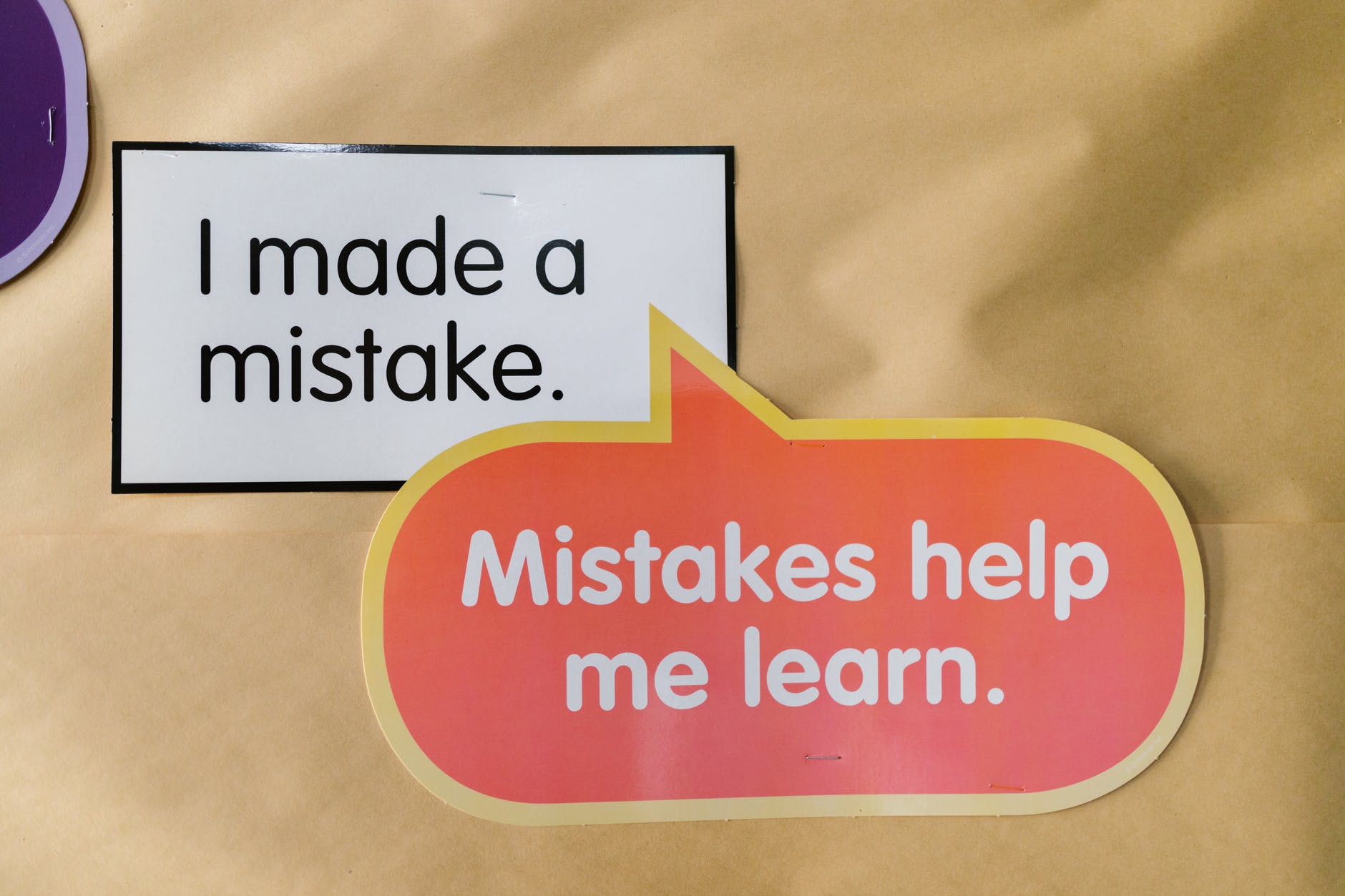
Essentially the more open and ‘no-blame’ you can make your workplace culture, the more likely members of staff are going to openly admit where things are going wrong and why this might have happened.
In my personal opinion, I think leaders in veterinary practice need to create a psychologically safe space to do this by opening up themselves and being able to admit mistakes to the rest of their staff. If veterinary professionals don’t feel able to admit mistakes, nothing is going to change and the problems continue. And hands up, I know I could definitely improve in the mistake admitting category but I know that in the right environment, I’d feel a lot safer and happier doing so.

You can get better!
Human Factors training is out there! VetLed is an organisation championing Human Factors and organises CPD, courses and even now a whole annual Human Factors Conference! You can check out their website or instagram for more content. It is a scientific field unto itself and there is whole heap of literature out there to use as evidence based advice and resources.
As always I hope you find this useful and interesting. If you do, please share, comment and like!
 ThisVetCan
One thought on “What On Earth Is Human Factors And Why Should You Care About It?”